By Trena Cleland, Personal Historian
Are you thinking of sharing your life story and family history with others? Maybe you’re wondering how to begin or what your options are.
You’re in good company. More and more people are gravitating toward personal history projects as a way to set down their memories and leave a legacy for family and friends. Personal historians—experienced professionals who specialize in life story projects—are here to help.
Each life review project is unique, personal, and customized, but almost all of them have one thing in common: they start with an oral history interview.
At its heart, the academic-sounding “oral history interview” in the context of personal history is simply an informal, relaxed conversation between two people—one inquiring and listening, the other reminiscing. “A walk down memory lane” may be a more apt phrase.
The best oral histories capture the authentic sharing of personal experiences: your story, in your words. These sessions generally review your heritage, childhood memories, relationships, work, family, and hard-earned wisdom—the significant and not-so-significant experiences of your life. Alternatively, you may choose to focus on just one subject, such as your childhood, military service, or career.
The oral history—that sharing and listening session—is recorded for posterity on a digital recorder. At minimum, the recording of you telling your story, in your own voice, will be a lasting audio document that future generations will treasure.
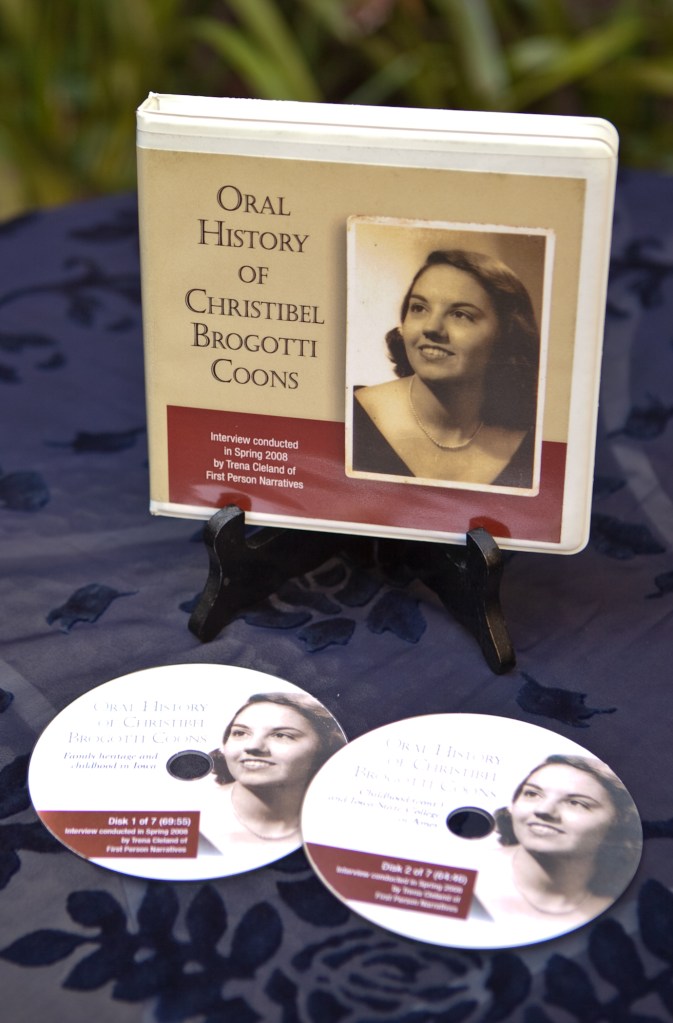
I saw (or rather, heard) this in action at a big family gathering. Many of my far-flung kinfolk had gathered for a rare reunion, and I played an excerpt from the oral history of my grandmother that I made when I was a teenager. I’d interviewed Grandma about her childhood in Iowa in the late 1800s, and at the family reunion, 15 years after her death, we all listened as Grandma described the simple yellow cake she regularly made for her family on the farm. In her quavery, beloved voice, she happily recited the recipe from memory: “two eggs, one cup of good, rich cream from right there on the farm, scant two cups of flour,” and so on. You could’ve heard a pin drop. After I turned off the recording, my mother emerged from the kitchen and passed out squares of that same yellow cake that she’d made that day, bringing some relatives to tears. At the end of the reunion, I gave attendees copies of Grandma’s oral history interview on CDs—a gift they genuinely cherish.
So, if you can only do one thing, record your stories! That can be quite enough.
But that audio recording can also be pressed into service in other ways. It can be transcribed and edited to create the narrative of a one-of-a-kind heritage book. It could provide audio for a professional, documentary-style biographical film.
So it’s important to set the stage for a meaningful, informative exchange that can potentially serve multiple purposes. The interview may take one session or, more likely, multiple sessions—enough for you to share key memories of your rich life and an overview of your personal and family biography.
Here’s how I go about doing these interviews:
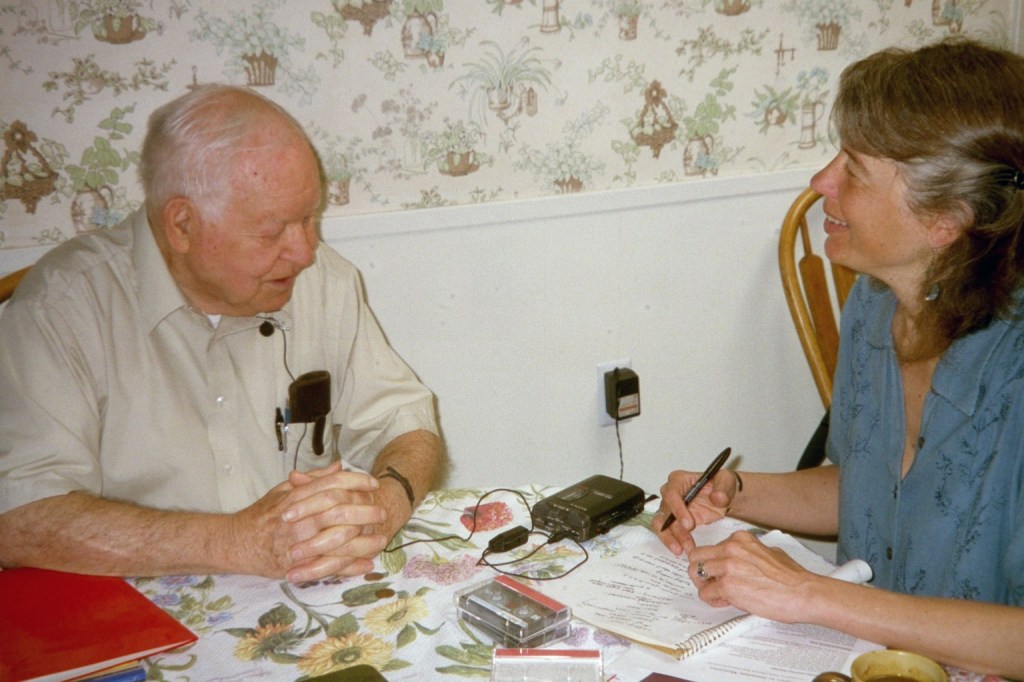
First, I have a pre-interview meeting with you to create an informal list of the topics you’d like to cover. Then, I have you fill out what I call a Biographical Information Form: a compendium of names, dates, locales, and key life events. This saves time during the interviews (you can refer to your mother, for example, without stopping to spell out her name, birthdate, etc.) and summarizes important aspects of your life: jobs, travel, volunteer work, and the like.
To help jog your memory, I also provide a list of questions, such as:
· Where were your ancestors from?
· What were some of the prevailing attitudes and beliefs in your family?
· What were some typical meals?
· How were holidays celebrated?
· What were some of your early jobs?
· Are there family traditions you would like to see carried on?
· What are some of the principles and values you have used to guide you?
Whenever possible, think of specific anecdotes to illustrate your memories. If you say, “My mother was a wonderful cook,” be prepared to describe memorable meals she prepared. If you say, “My father was a very honest man,” share an example of his honesty.
Ideally, our interviews take place in-person in your own home, where you are likely to be most comfortable. But for many people, telephone or Zoom interviews also work well.
There are other ways that we can set an interview up for success together. These include:
· choosing the time of day when you are at your best
· minimizing background sounds such as barking dogs or television
· keeping the sessions to a comfortable length (usually 2–3 hours)
· determining in advance what topics you’d like to cover
Sometimes both partners in a couple will be the subjects of the interviews. In that case, I’ll first interview you and your partner separately about your family backgrounds and childhoods. When we get to the point when you meet and your stories converge, I’ll interview you together.
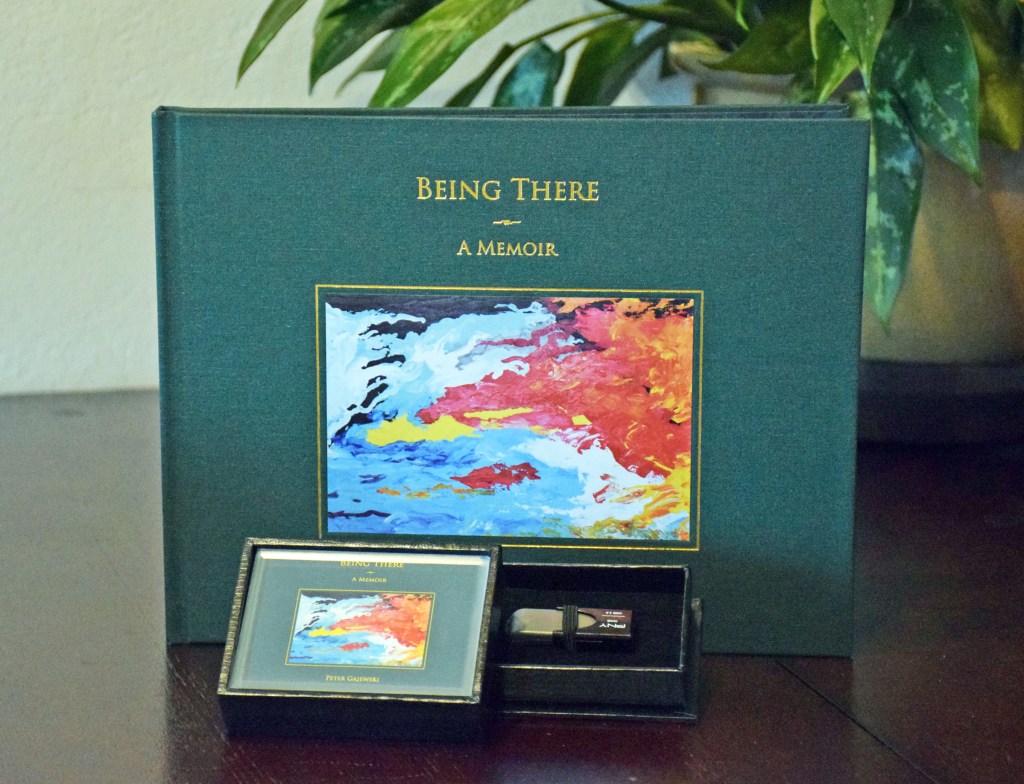
At the end of our interviews, I provide you and your family with the audio files, generally sent through the internet or delivered to you on a personalized thumb drive.
(Note: it wasn’t so long ago that I delivered the interviews on audiotape cassettes, and then on state-of-the-art CDs!)
Generally, personal history clients choose to have the recordings transcribed. Working with you, I can shape the transcript to enhance flow, clarity, and chronology; organize it with chapters and sections, and polish it to retain your unique voice. Voila! The readable, accessible story of your life—a page-turner!
So, when considering something like a personal history project, remember that it’s your stories that bring the project to life. Your memories are a key piece of your legacy. And keeping those memories alive starts with that all-important oral history interview.
To contact Trena, visit Trena Cleland, Personal Historian.